How should a Manalapan homeowner choose flooring?
The most reliable starting point is the room rather than the product label. For residential flooring in Manalapan Township, document room use, moisture exposure, foot traffic, comfort, sound, existing surface, transitions and visual direction. Those details turn a vague search for flooring into a practical brief. They also make it easier to compare materials fairly because each option is being considered against the same real conditions.
Appearance matters, but it sits beside daily use. Natural grain, tile scale, carpet texture, plank direction and colour temperature all influence how a room feels. At the same time, comfort, acoustics, cleaning, moisture exposure, adjoining floors and the condition beneath the current surface can shape what deserves closer review. A strong plan keeps visual goals and practical questions in the same conversation.
Local intent should be precise. This test site uses Manalapan Township and ZIP code 07726 because the supplied address is located there. It does not automatically turn surrounding municipalities into claimed service areas. That distinction matters for homeowners and search systems: useful local content should make the verified location clearer, not create a cloud of unsupported city names.
Keywords such as “flooring Manalapan NJ,” “residential flooring 07726,” “residential flooring installation Manalapan Township” and “flooring near Bridge Plaza Drive” describe search intent. They should appear where they clarify the topic, not in repetitive lists. The page is written to answer the questions behind those phrases: what materials exist, where they may fit, what information is needed and what remains project-specific.
Room-by-room residential flooring guidance
Every room creates a different mix of movement, moisture, sound, comfort and visual expectations. The following guidance is educational and conditional. It helps organize a conversation, but it does not claim that a material is suitable before the specific product and home conditions are reviewed.
Living rooms and connected spaces
A living-room floor often establishes the visual rhythm for adjoining halls, dining areas and entries. Compare colour in the actual light, think through thresholds, and decide whether continuity or a deliberate material change better supports the layout. Hardwood, laminate, luxury vinyl, carpet, tile and stone create different acoustic, tactile and maintenance experiences, so the room’s daily use should lead the choice.
Bedrooms and quiet areas
Bedroom flooring decisions commonly center on warmth, softness, sound and the feeling underfoot at the beginning and end of the day. Carpet can emphasize softness and acoustic control, while hard surfaces can support a continuous visual language across the home. The useful question is not which category wins generally, but which combination of comfort, appearance and upkeep fits that particular household.
Kitchens, bathrooms and entries
Rooms exposed to tracked-in water, spills or frequent cleaning need a material conversation that begins with the product specification and the actual setting. Tile and stone or suitable luxury vinyl products may enter that comparison. Substrate condition, transitions, layout, grout where applicable, and the relationship between floor and wall finishes all deserve attention before a final selection is made.
Basements and lower levels
A basement flooring plan should begin with existing conditions rather than appearance alone. Moisture history, slab or subfloor condition, temperature, intended room use and transitions at stairs can influence the direction. Luxury vinyl is represented as a waterproof category on this site, but the specific product and site still need review. No page can replace inspection of the real lower-level conditions.
Hallways, stairs and thresholds
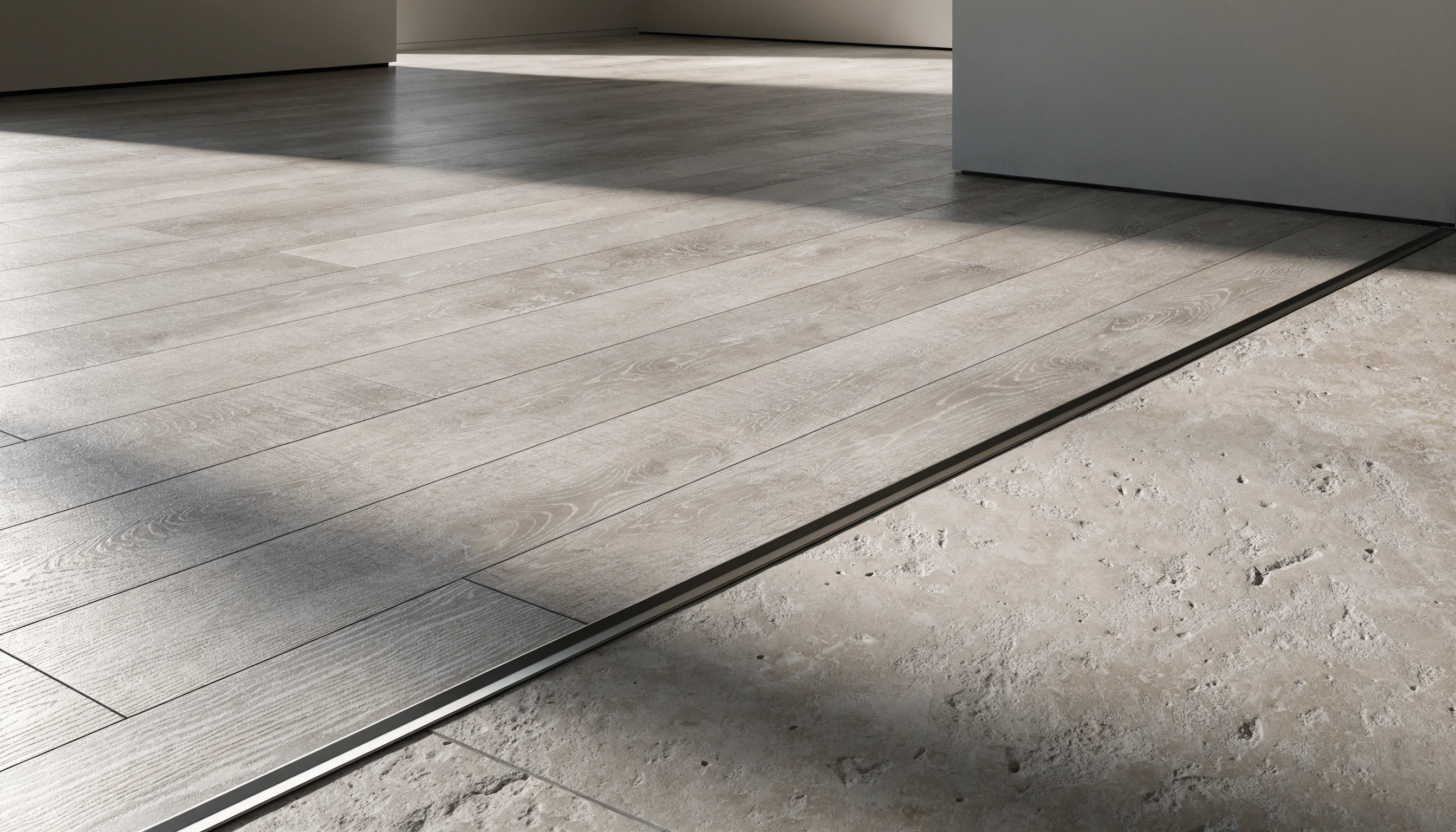
Circulation areas reveal how a flooring plan works as a system. Hallways concentrate traffic, stairs require carefully resolved edges, and thresholds connect materials with different thicknesses and movement characteristics. Photographing these areas and identifying adjoining rooms gives the project conversation more useful context than a product name alone. These details also help prevent a visually disconnected room-by-room plan.
Compare flooring types for a Manalapan home
Use this table as a starting map, not a final specification. Each flooring family contains many individual products. The selected product, its documented installation requirements and the real site conditions matter more than a broad category label.
| Flooring type | What this site identifies | What to confirm locally |
|---|
| Carpet | Broadloom, wool, nylon, stain-resistant and indoor-outdoor options for residential rooms, halls and stairs. | Compare the room conditions, existing floor and desired appearance before narrowing the specification. |
|---|
| Hardwood flooring | Solid and engineered hardwood in multiple species, stains, finishes and plank widths. | Compare the room conditions, existing floor and desired appearance before narrowing the specification. |
|---|
| Tile & stone | Ceramic, porcelain, natural stone and mosaics for residential floors and walls. | Compare the room conditions, existing floor and desired appearance before narrowing the specification. |
|---|
| Laminate flooring | Durable wood- and stone-look options suited to varied décor and high-traffic areas. | Compare the room conditions, existing floor and desired appearance before narrowing the specification. |
|---|
| Luxury vinyl flooring | Waterproof plank and tile looks for moisture-prone rooms and everyday living. | Compare the room conditions, existing floor and desired appearance before narrowing the specification. |
|---|
Carpet
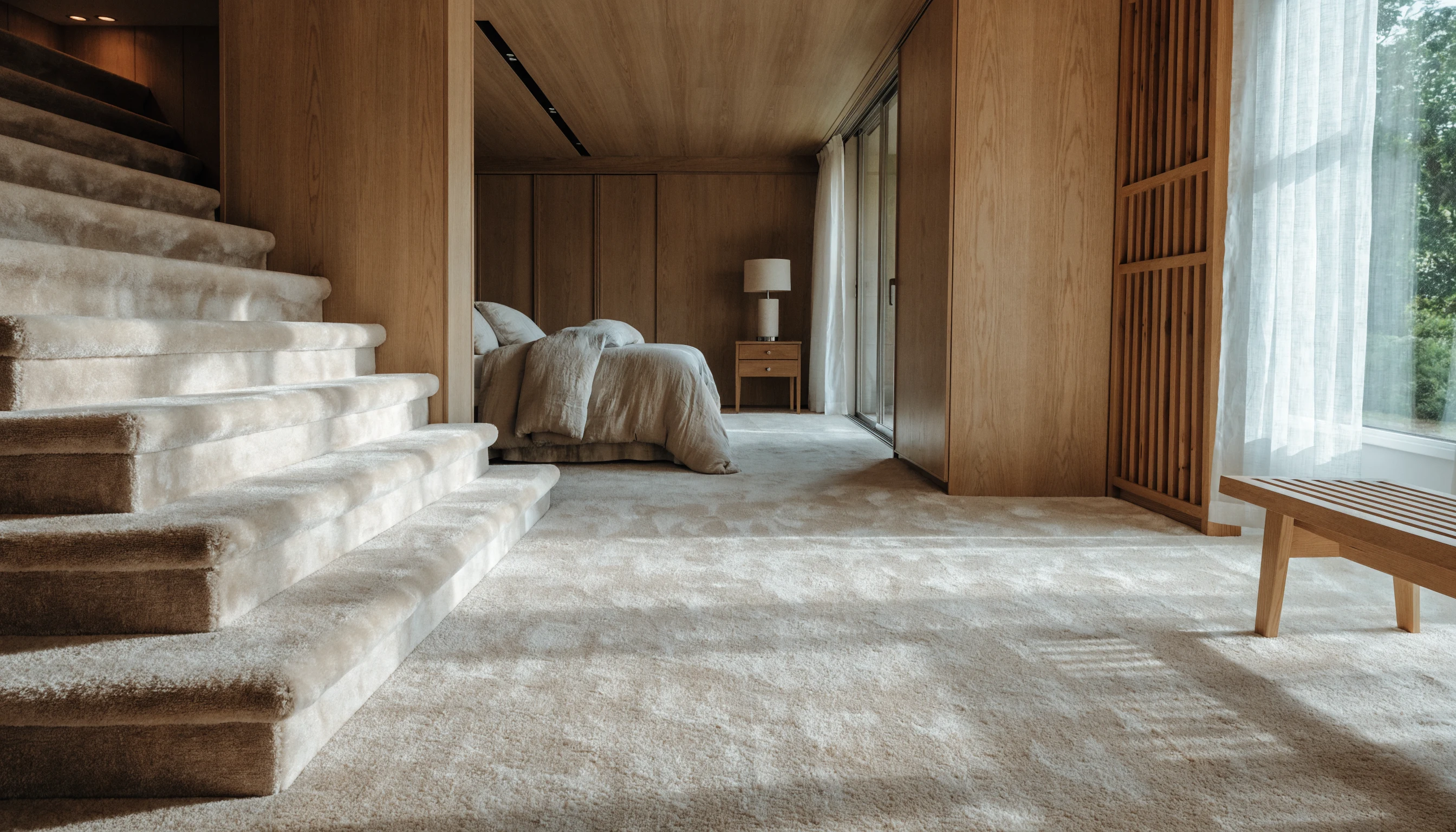
Carpet can support softness, acoustic control and visual warmth in residential rooms. Options represented on this site include nylon, wool, stain-resistant materials, indoor-outdoor applications and runners for halls or stairs. A useful carpet conversation includes fiber, pile, cushion, traffic, stair geometry, adjoining hard surfaces and the household’s cleaning expectations.
Hardwood flooring
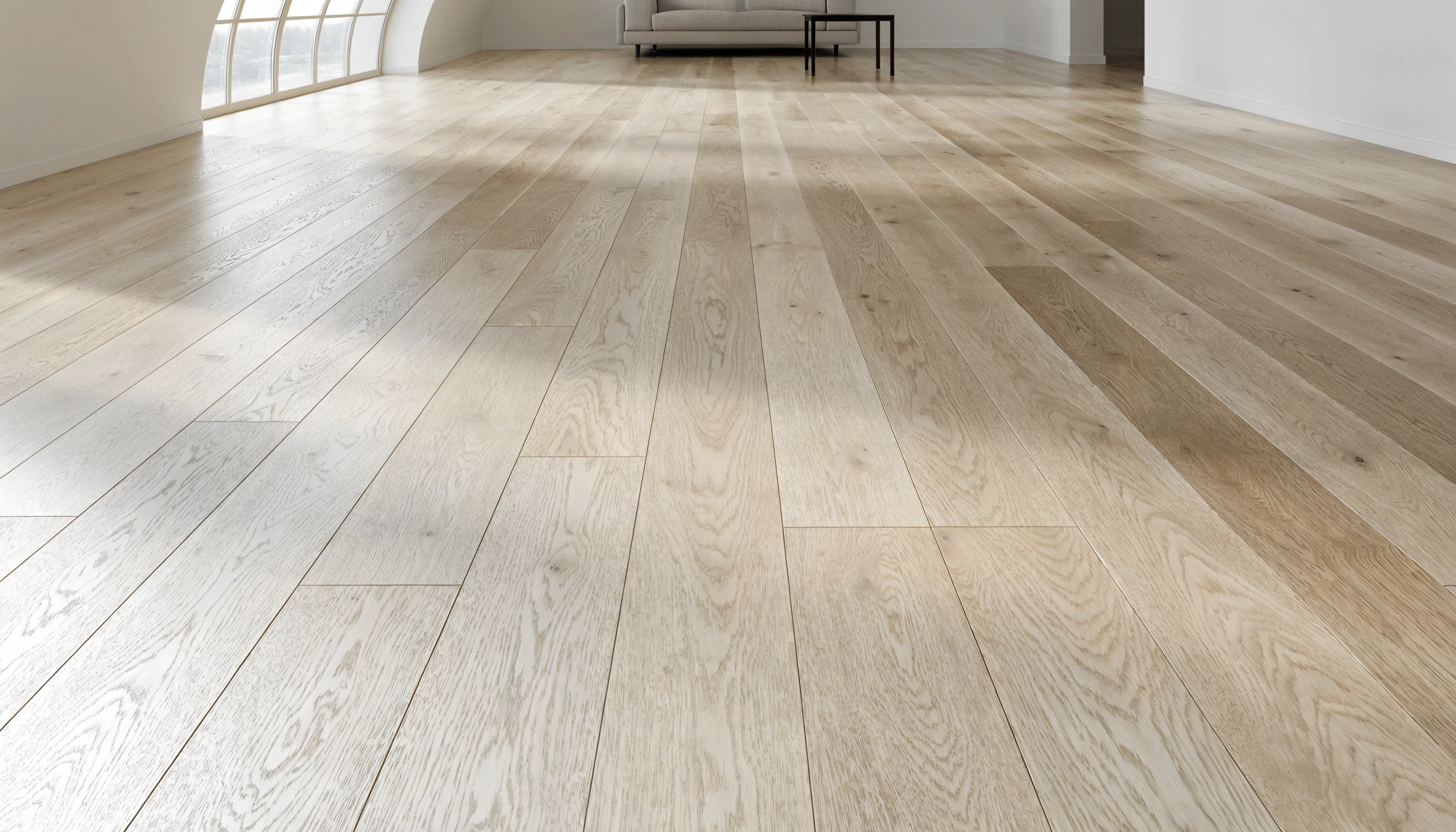
Hardwood introduces natural variation through species, grain, stain, finish and plank width. This site identifies both solid and engineered constructions. Homeowners comparing hardwood flooring in Manalapan Township should note the room, subfloor, existing conditions, desired continuity and indoor environment so the construction and installation approach can be discussed around the actual project.
Tile and natural stone
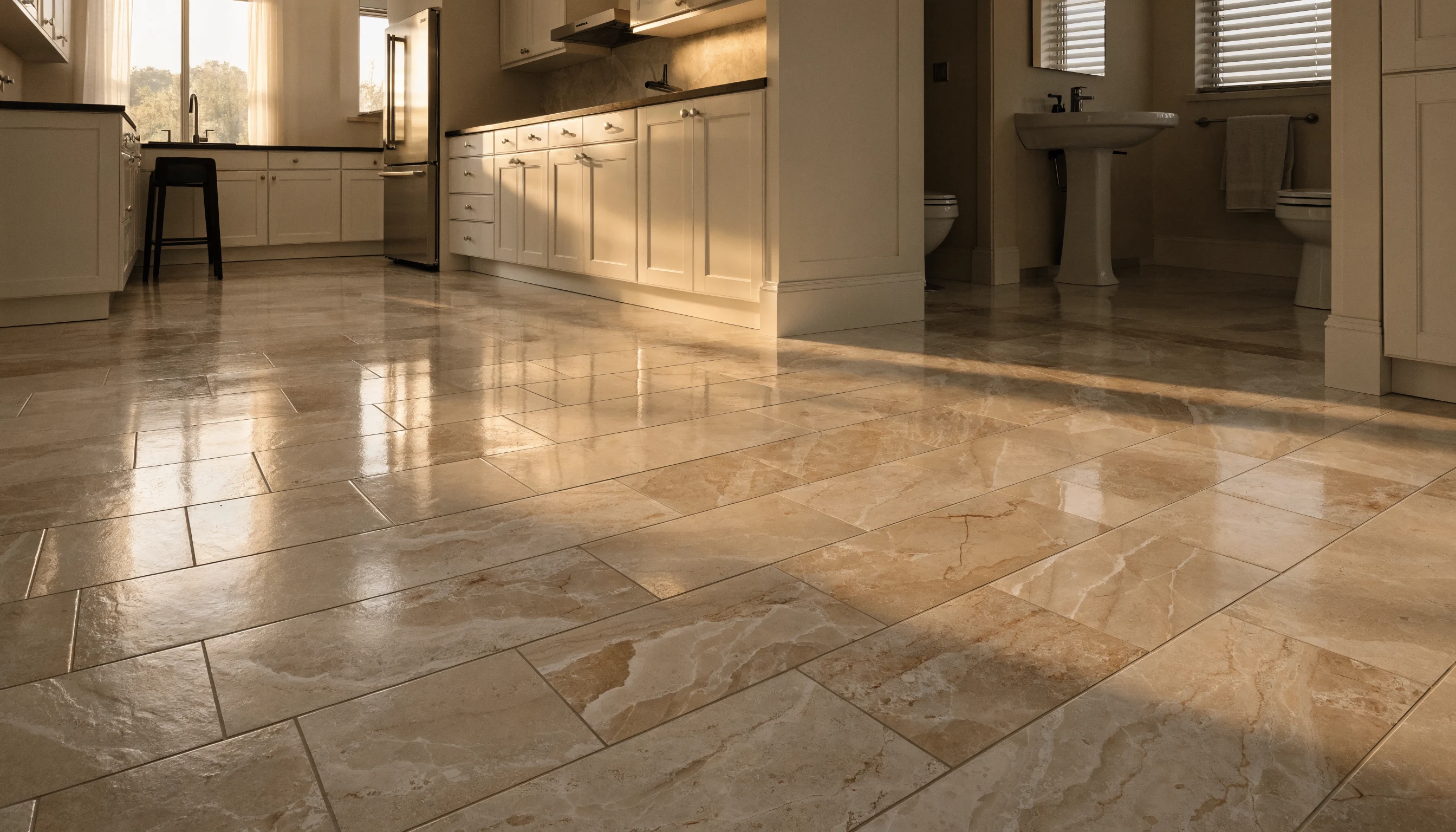
Tile and stone can move between floors and walls and can support residential kitchens, bathrooms, entries and other suitable applications. Ceramic, porcelain, marble, travertine, limestone, granite, slate and mosaics are represented in the source material. Format, layout, grout, substrate, transitions and the specific room should all be part of the discussion.
Laminate flooring
Laminate offers wood- and stone-look directions with a durable surface for active residential spaces. Selection should still consider the individual product, moisture exposure, underlayment, subfloor flatness, transitions and the visual relationship to nearby rooms. “High traffic” is not a complete specification; the actual household use and installation conditions provide the needed context.
Luxury vinyl flooring
Luxury vinyl appears in plank and tile formats and is represented here as waterproof, quiet and warm underfoot. Those traits can make it relevant to moisture-prone rooms and broader residential use. The final conversation should identify the selected product, subfloor preparation, edge details, room conditions, traffic and how the visual pattern works across the space.
A practical flooring-planning process
A good request does not need to solve every technical question. It should provide enough grounded information to move from a broad material interest toward a project-specific review. These six steps create that foundation without inventing a price, schedule, guarantee or installation method.
- 01
Define the rooms
List every room involved and note whether the flooring should continue through doorways, stop at thresholds or coordinate with an existing surface. Whole-home planning and single-room replacement create different transition questions.
- 02
Record current conditions
Identify the existing flooring, visible damage, uneven areas, vents, door clearances, stairs and known moisture concerns. Photos can support an initial conversation, but they do not substitute for a site review.
- 03
Describe daily use
Explain who uses the room, how traffic moves through it, whether sound or softness matters, and what type of cleaning routine is realistic. This information helps organize the material comparison around life in the home.
- 04
Compare material families
Review carpet, hardwood, tile and stone, laminate and luxury vinyl against the same criteria. Looking at each category through one consistent decision framework is more useful than collecting unrelated samples.
- 05
Review edges and transitions
Locate every place where the new flooring will meet stairs, walls, cabinets, exterior doors or another flooring material. Transition details affect both the finished appearance and the installation plan.
- 06
Request project-specific information
Share the Manalapan Township location, rooms, approximate scope, existing surface and material interest. Pricing, product availability, installation method and timing should remain tied to the actual project rather than a generic online promise.
What makes this page hyperlocal rather than generic?
Hyperlocal content connects a service topic to a verified place and a real user need. Here, the location signal is consistent: 4 Bridge Plaza Dr, Suites 1–2, Manalapan Township, NJ 07726. The same wording appears in visible content, LocalBusiness structured data and the AI-readable site summary. That consistency helps avoid entity confusion between a business address, a claimed service area and a broad region.
The content also addresses how people search locally. Some homeowners use the township name; others use the ZIP code, a nearby street or a “near me” phrase. A useful page answers those searches with clear service categories and planning guidance. It does not need to repeat “Manalapan flooring” in every sentence. Natural language, clear headings and self-contained answers make the page more readable and easier for search or answer systems to extract.
Seasonal indoor conditions can also affect the questions homeowners bring to a flooring conversation. Heating, cooling, humidity changes, tracked-in water and basement conditions can vary from home to home. The responsible approach is to record what is known about the specific property and compare that information with the selected product documentation and installation requirements.
How to prepare for a residential flooring conversation
Start with photographs of the full room, close views of the existing surface and images of thresholds, stairs, vents and door clearances. Note approximate dimensions if they are available, but do not present them as final measurements. List the rooms in priority order and identify whether they must be completed together or may be phased. If the project involves a basement, bathroom or another moisture-prone space, mention any known history rather than assuming the new floor alone solves it.
Bring visual references, but describe what you like about them. “Warm, quiet and continuous” is more informative than a saved image without context. Likewise, “light natural grain with minimal contrast” communicates more than simply asking for hardwood. Clear language helps connect inspiration to the five material families represented on this site.
Finally, separate confirmed facts from preferences. The address and rooms are facts. A preferred colour, texture or material is a direction. Product availability, price, timeline, preparation and installation method remain to be confirmed. Keeping those categories separate makes the next step more accurate and protects the homeowner from unsupported promises.
Frequently asked local flooring questions
These direct answers are written so each can stand on its own in search results or an AI-generated response. They describe the current test site accurately and avoid reviews, prices, credentials, warranties or service areas that have not been supplied.
What should I compare when researching residential flooring in Manalapan Township?+
Start with room use, moisture exposure, foot traffic, comfort, sound, existing surface, transitions and visual direction. Then compare the relevant flooring types using the same room-specific criteria. A useful decision reflects the real home, not a broad statement that one material is always better than another.
Which rooms are relevant to this residential flooring guide?+
The residential planning framework can apply to living rooms, bedrooms, kitchens, bathrooms, basements, hallways and connected whole-home spaces. Product suitability and installation details still depend on the selected material, manufacturer information and actual site conditions.
Why does the site focus on Manalapan Township and 07726?+
The verified business location supplied for this test is 4 Bridge Plaza Dr, Suites 1–2, Manalapan Township, NJ 07726. The site does not claim unverified nearby service areas simply to create more location keywords.
Does the website show fixed flooring prices?+
No. The site avoids unsupported prices because room size, product selection, existing-floor conditions, preparation, transitions and installation details can change the scope. A project-specific quote is the appropriate next step.
Are the flooring images completed customer projects?+
No. The current visuals are generic AI-generated material and room studies for this demonstration. They are not reviews, portfolio evidence or photographs of completed Trusted Flooring customer work.
What information makes a flooring request more useful?+
Include the home type, Manalapan Township location, rooms involved, approximate dimensions if known, existing flooring, visible concerns, preferred material family and photographs or plans when available.
Can one flooring type be used throughout a home?+
A continuous floor can create visual cohesion, but kitchens, bathrooms, basements, stairs and other spaces may introduce different moisture, comfort or transition needs. Compare the whole plan before committing room by room.
How should homeowners use online flooring information?+
Use it to learn vocabulary, organize questions and compare categories. Do not treat general web content as a substitute for product documentation, site-specific evaluation or a written project scope.
Next step for residential flooring in Manalapan Township
Use the quote form to share the Manalapan Township location, home type, rooms involved, existing flooring, approximate scope and preferred flooring family. That information creates a grounded starting point for discussing residential flooring without turning general web content into a promise about the actual project.